Frequently Asked Questions

Data-Driven Engagement Campaigns

How did Data Society use data science to improve COVID-19 vaccination engagement campaigns?

Data Society applied traditional data science techniques to help a large communications firm running COVID-19 vaccination campaigns for a state department of health. By integrating data from CRM systems, social media tracking tools, and event registration software into a cloud-based infrastructure, Data Society enabled real-time visualization and analysis of campaign effectiveness. This approach allowed the client to identify which engagement methods (such as emails, calls, or meetings) were most effective for increasing vaccination rates among target populations. Note: The approach requires access to multiple data sources and may be less effective if data is siloed or incomplete.

What measurable impact did Data Society's approach have on vaccination rates?

Data Society's analysis showed that each community engagement effort (such as an email exchange, call, or meeting) was associated with an average of 280 additional vaccinations. Additionally, a single paid media impression was linked to a 0.0017 increase in weekly vaccinations. For the African American and Hispanic populations in the state, over 57 million media impressions resulted in an estimated 262,000 additional first-dose vaccinations. Note: These results are specific to the campaign analyzed and may vary in other contexts.

How does Data Society ensure data privacy and compliance in campaign analytics?

Data Society anonymized and aggregated vaccination data by demographic group, county, and week for reporting purposes. This approach protected individual privacy while enabling meaningful analysis. Additionally, Data Society holds ISO 9001:2015 certification, underscoring its commitment to quality management and secure operations—especially important for government and healthcare clients. Note: Detailed limitations not publicly documented; ask sales for specifics on compliance in your sector.

Features & Capabilities

What features does Data Society offer for campaign analytics and engagement?

Data Society provides cloud-based data integration, real-time dashboards, and advanced analytics such as regression analysis and sentiment analysis. These features allow organizations to track engagement types, demographic impact, and campaign effectiveness, and to visualize relationships between campaign activities and outcomes. Note: Some features require access to integrated data sources and may not be available in all environments.

Does Data Society support integration with CRM, social media, and event management platforms?

Yes, Data Society's solutions can integrate data from CRM systems, social media tracking tools, and event registration management software. This enables comprehensive analysis of campaign performance across multiple channels. Note: Integration capabilities depend on the specific platforms and data access provided by the client.

Use Cases & Benefits

Who can benefit from Data Society's data-driven campaign solutions?

Organizations running complex engagement campaigns—such as public health departments, communications firms, and nonprofits—can benefit from Data Society's solutions. The approach is especially valuable for teams seeking to measure the real-world impact of outreach efforts, optimize engagement strategies, and report on outcomes for diverse demographic groups. Note: Best fit for organizations with access to multi-channel engagement data; teams lacking integrated data may need additional support.

What problems does Data Society solve for engagement campaigns?

Data Society addresses challenges such as fragmented data across platforms, difficulty measuring campaign impact, and the need to tailor outreach to specific demographic groups. By integrating and visualizing data, organizations can identify which engagement methods are most effective and adjust strategies in real time. Note: Effectiveness depends on data quality and organizational readiness for data-driven decision-making.

Can you provide a real-world example of Data Society's impact on a public health campaign?

In a COVID-19 vaccination campaign for a state department of health, Data Society's analytics enabled the client to track the effectiveness of different engagement types (emails, calls, events) and measure their impact on vaccination rates. The analysis revealed that each engagement effort was linked to an average of 280 additional vaccinations, and over 57 million media impressions resulted in an estimated 262,000 additional first-dose vaccinations among African American and Hispanic populations. Read the full case study. Note: Results are campaign-specific and may not generalize to all contexts.

Implementation & Support

How long does it take to implement Data Society's campaign analytics solutions?

The implementation timeline depends on the scope and complexity of the project. For example, live AI training can be incorporated into an existing event agenda quickly, while an AI readiness assessment for a mid-sized organization typically takes two to four weeks. Lighter diagnostic assessments can be completed in a few days. Note: Timelines may vary based on data availability and organizational readiness.

What kind of support does Data Society provide during and after implementation?

Data Society offers a streamlined onboarding process, hands-on assistance during setup, and access to a learning hub and virtual teaching assistant for real-time feedback. Training can be delivered live online or in-person, and installation calls are available to address initial troubleshooting needs. Note: Support offerings may vary by service package; detailed limitations not publicly documented.

Security & Compliance

What security and compliance certifications does Data Society hold?

Data Society is ISO 9001:2015 certified, demonstrating its commitment to quality management and secure operations. This certification is particularly relevant for clients in government contracting and healthcare, where data security and compliance are critical. Note: SOC 2 or other certifications are not listed; ask sales for additional compliance details if required.

Company & Credibility

What organizations has Data Society worked with on data-driven campaigns?

Data Society has served over 100 commercial and government clients, including the U.S. Department of State, NASA, Discover Financial Services, and Optum Health. The company has impacted over 10,000 professionals and is recognized as an Inc. 5000 fastest-growing company and a Fast Company Best Workplace for Innovators. Note: Client results may vary; see case studies for specific outcomes.

What feedback have customers given about Data Society's ease of use?

Emily R., a subscriber, stated: "Data Society brought clarity to complex data processes, helping us move faster with confidence." This feedback highlights the product's ability to simplify intricate data workflows and support efficient goal achievement. Note: Individual experiences may vary; request additional references for your use case.

Explore how Data Society’s data-driven strategies enhanced COVID-19 vaccination campaigns, leading to measurable increases in community engagement and vaccination rates.

Winning Data-Driven Approach to Engagement Campaigns

Are campaigns to encourage Covid-19 Vaccinations working?
Winning Data-Driven Approach to Engagement Campaigns

This is the question currently plaguing communications teams across the country. Using traditional data science techniques, our team at Data Society engineered a solution to help communications professionals identify which campaign or methods are most effective for reaching their target audience – empowering the communications team to craft engagement that increases vaccinations in the target groups.

Our client, a large communications firm running Covid-19 Vaccination campaigns for a state department of health, came to us with two main questions: are our messaging campaigns for Covid-19 vaccinations impacting our target populations? And if so, which aspects of the campaign have the most impact on the number of vaccinated individuals?

The client had plenty of data. They used a CRM to track contacts and interactions from email and direct mail campaigns, a tracking tool for their social media impressions, and event registration management software for in-person and virtual grassroots events. But having this data on multiple platforms meant they weren’t able to see how all of these engagements contribute to the overall success of the campaign.

We started by pulling the data from CRM, social media impressions, and event management software into a cloud-based data infrastructure to organize and tag the data for event type and target demographics. It was important that as we integrated the campaign data with the vaccination data we anonymized it as best as possible. In this case, we aggregated vaccination data to the demographic group, the county, and the week for reporting purposes. We then visualized the aggregated data to show the relationship between the inputs and outputs of the communications campaign into easy-to-digest dashboards.

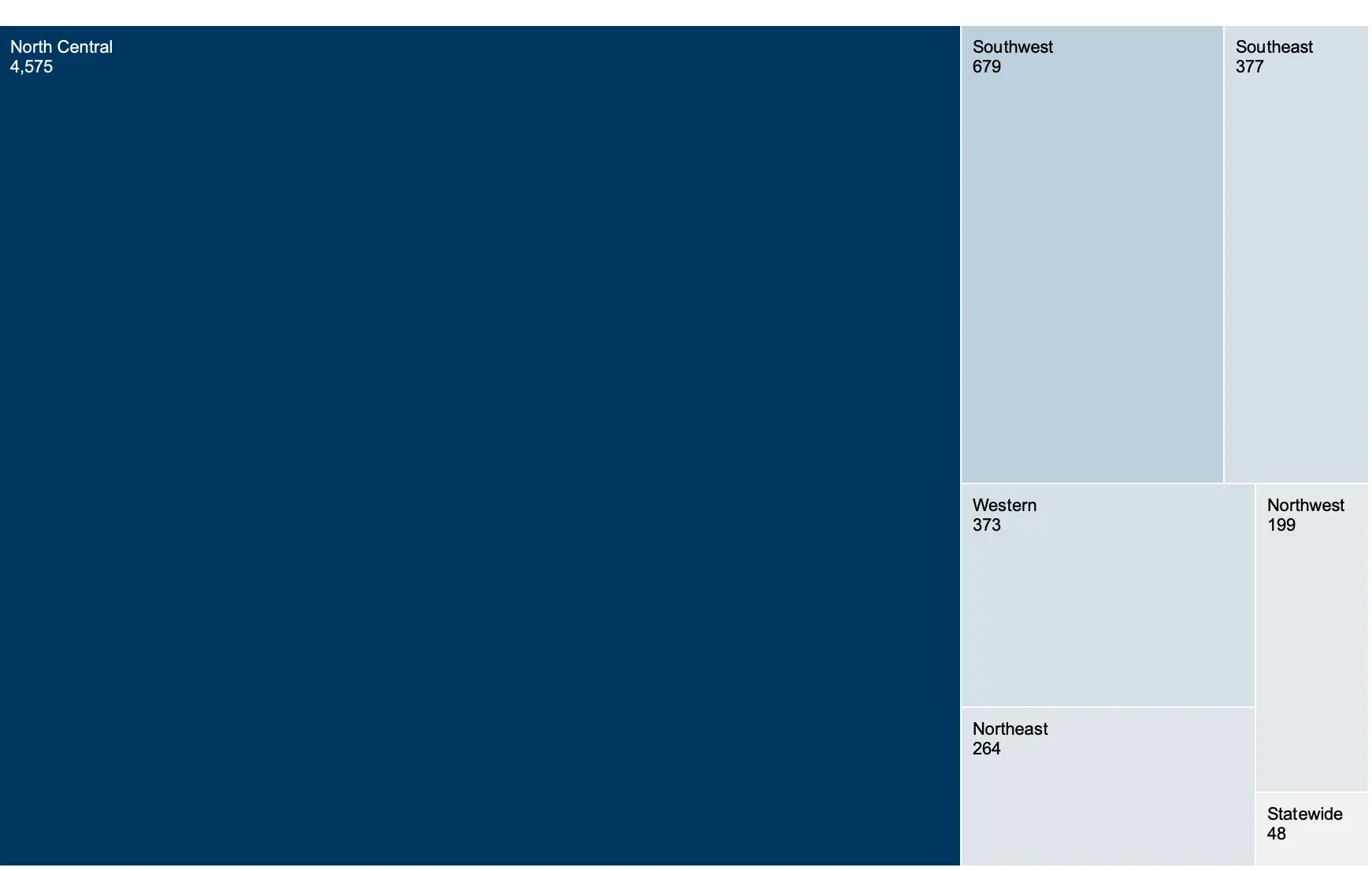
For this particular campaign, the client was interested in tracking the types of events and organizations, locations, and impact on historically marginalized populations, specifically, African Americans, Latin-X, and Native Americans. With each of the dashboards we created, our client can now see in real-time where engagements are happening, the percent of the target population affected, and the count of different engagement types.

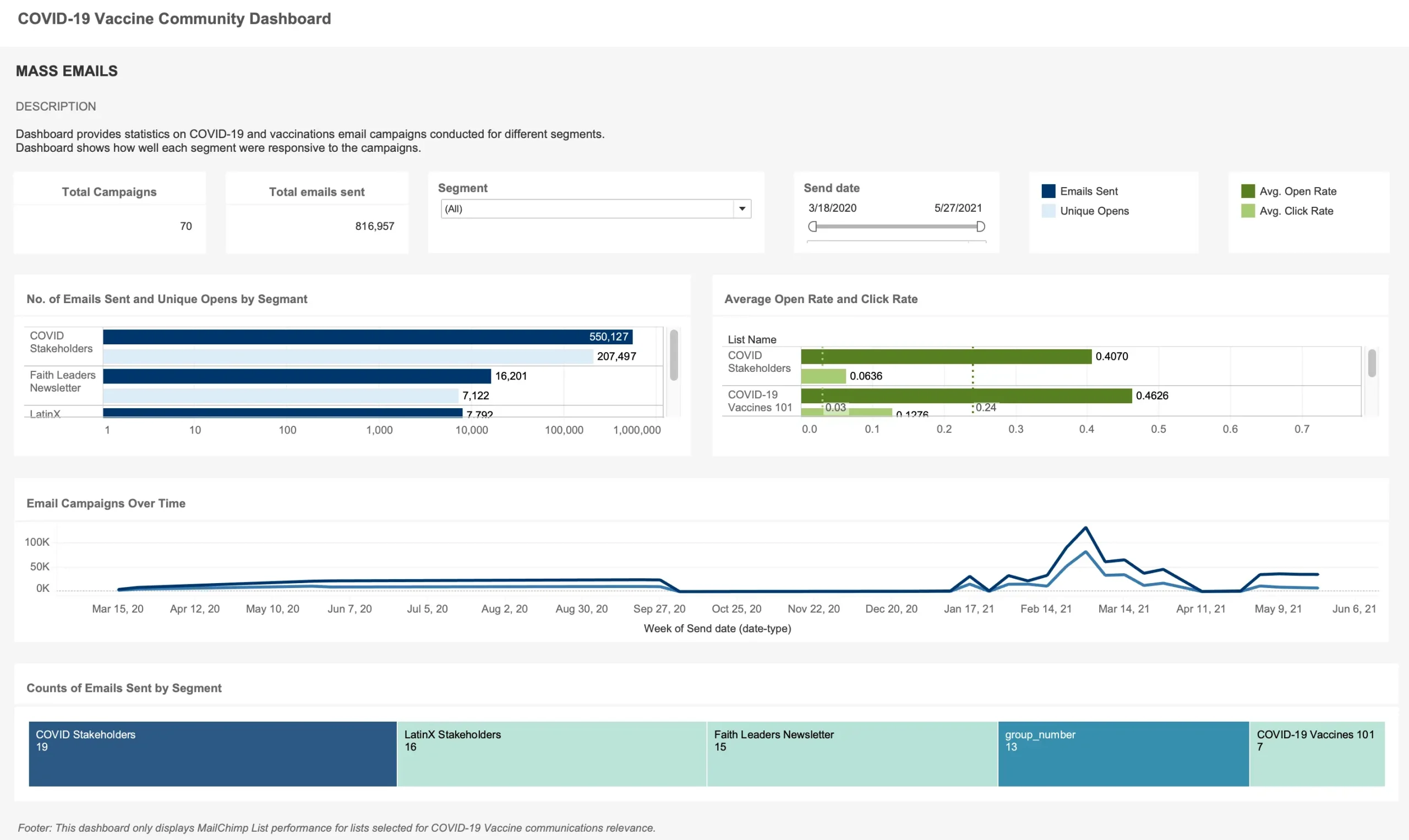
We pulled dashboards for the different engagement types the client is conducting. One engagement type we pulled into a dashboard is mass emails. The client was interested in seeing the performance of their different distribution lists based on the number of emails sent, unique open rates, and click rates. The client can sort the data to look at specific audiences or contact lists or see the overall performance of the mass email campaign as a whole.
Winning Data-Driven Approach to Engagement Campaigns Winning Data-Driven Approach to Engagement Campaigns

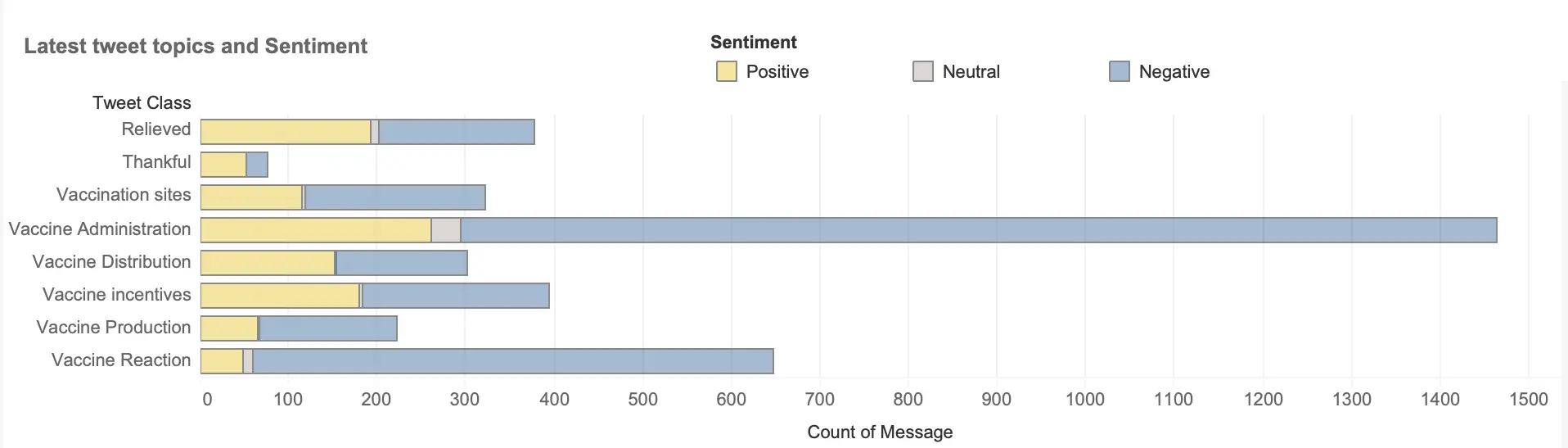
We used advanced data science techniques to give further insights into campaign engagements where more data was available. For the social media dashboard, we were able to show sentiment analysis on different social media posts by topic. This information helps identify which message types resonate most with audiences, along with heat maps showing the location of posts and the number of posts about vaccination over time.

To get at the true impact of the campaign in terms of the number of additional vaccinations, reports based on regression analysis are produced weekly and show the impact of campaign activities to date. This analysis showed a statistically significant effect on vaccinations based on the community outreach efforts of our client. Based on media campaigns from January – April, our analysis showed that each community engagement effort (email exchange, call, or meeting) by our client is associated with an average of 280 additional vaccinations. Our analysis also showed that a single paid media impression is associated with 0.0017 increase in weekly vaccinations. With over 57 million impressions across the African American and Hispanic populations within the state thus far, the potential impact of those impressions has been 262,000 additional vaccinations (first dose).

Through our analysis, the client has shown the impact of their work and tailor ongoing engagements to increase vaccinations across the state. We were able to show that it is possible to glean insight out of messy communications campaign data. All it takes are the right tools and a data infrastructure tailored for your goals.


Don’t wanna miss any Data Society Resources?

Stay informed with Data Society Resources—get the latest news, blogs, press releases, thought leadership, and case studies delivered straight to your inbox.

Data: Resources

Get the latest updates on AI, data science, and our industry insights. From expert press releases, Blogs, News & Thought leadership. Find everything in one place.

View All Resources
  • Why Token-Based AI Pricing Breaks the Old Cloud Cost Model

    October 19, 2026

    Read more

  • AI Agents and the Changing Headcount Ratio

    October 15, 2026

    Read more