
Frequently Asked Questions

Product Overview & Platform Differentiation

What is the LXCP and how does it differ from traditional LMS and LXP platforms?

The LXCP (Learning Experience Communications Platform) is a next-generation learning platform developed by Data Society. Unlike traditional LMS (Learning Management System) or LXP (Learning Experience Platform), the LXCP integrates communication, collaboration, and community-building features directly into the learning environment. This means users can communicate, collaborate, and create vibrant communities of practice within a single platform, eliminating the need to toggle between multiple tools. The LXCP is designed to meet the evolving needs of today's workplace learners, especially in industries like healthcare and life sciences, by providing a unified system for upskilling, progress tracking, and talent development. Source

What does the "C" in LXCP stand for, and why is it important?

The "C" in LXCP stands for Communication, Collaboration, and Community. These elements are critical because they address the missing human touch in legacy learning platforms. By embedding these features, the LXCP enables superior learning outcomes through real-time interaction, mentorship, and the formation of communities of practice, which foster mutual support and knowledge sharing. Source

How does meldR's LXCP support healthcare and life sciences organizations?

meldR's LXCP is specifically designed to address the upskilling demands of healthcare and life sciences organizations. It provides industry-specific curricula, progress tracking, and a unified dashboard for both learners and L&D departments. The platform enables rapid upskilling, supports compliance and certification needs, and helps organizations retain and develop talent in a rapidly changing environment. Source

What is the meldR Engine and how does it personalize learning?

The meldR Engine is an AI-based technology within the LXCP that generates custom learning pathways for each user. Unlike traditional recommendation engines that rely on past user behavior, meldR Engine tailors learning journeys based on each learner's baseline knowledge, skill level, and organizational goals. This ensures that training is relevant, targeted, and immediately applicable. Source

How does the LXCP facilitate communities of practice?

The LXCP enables users to form communities of practice, which are collaborative groups where learners can support each other, share knowledge, and engage in mentorship. This approach replicates the benefits of traditional classroom environments—such as mutual support and collaboration—while leveraging the accessibility and immediacy of a virtual platform. Source

What are the main features of meldR's LXCP platform?

Key features of meldR's LXCP include: AI-driven personalized learning pathways, integrated communication and collaboration tools, progress tracking dashboards, assignment calendars, mentorship and event scheduling, certification and badging, and support for both learners and supervisors. The platform also provides metrics for L&D supervisors and enables completion of tasks within a single environment. Source

How does meldR's LXCP support both learners and supervisors?

The platform provides a comprehensive dashboard view for both learners and supervisors, allowing them to track training activities, progress, and skill development. Supervisors can monitor organizational skill sets, assign learning pathways, and recognize achievements through badging and certification. Learners benefit from assignment calendars, mentorship opportunities, and a supportive community. Source

What makes meldR's LXCP more effective than self-paced learning platforms?

meldR's LXCP emphasizes instructor-led courses and collaborative learning environments, which have been shown to improve information retention and learner engagement compared to self-paced platforms. The platform also integrates communication and community features, providing real-time support and mentorship that self-paced systems typically lack. Source

How does the LXCP help organizations track and measure upskilling progress?

The LXCP provides L&D supervisors with metrics and dashboards to track learner progress, skill acquisition, and training completion rates. These tools help organizations monitor workforce development, identify skill gaps, and ensure alignment with organizational goals. Source

What types of learners and roles benefit most from the LXCP?

The LXCP is designed for a wide range of roles, including technical employees who need to maintain current skills, L&D departments seeking to manage and track training, supervisors overseeing talent development, and employees at all levels who want to upskill or reskill in a data-driven environment. Source

How does the LXCP address the challenges of remote and hybrid work environments?

The LXCP is built to support remote and hybrid work by providing a virtual environment where learners can access resources, communicate, collaborate, and participate in communities of practice from anywhere. This flexibility helps organizations adapt to the changing nature of work and ensures continuous learning regardless of location. Source

What is the business impact of implementing meldR's LXCP?

Organizations using meldR's LXCP can expect improved workforce capabilities, faster upskilling, better retention of talent, and measurable outcomes such as increased training completion rates and skill acquisition. The platform's metrics and dashboards enable organizations to track ROI and align training with strategic goals. Source

How does meldR's LXCP support compliance and certification needs?

The platform offers features such as certification, badging, and progress tracking, which help organizations meet compliance requirements and recognize learner achievements. This is especially valuable in regulated industries like healthcare and life sciences. Source

How does meldR's LXCP foster a data-driven culture within organizations?

The LXCP creates a common vocabulary across the organization, facilitates communication and collaboration, and provides tools for tracking and recognizing skill development. These features help nurture a data-driven culture where employees are empowered to use data in their roles. Source

What types of metrics and dashboards are available in the LXCP?

The LXCP provides informative and current dashboards for tracking training activities, learner progress, skill acquisition, and certification status. L&D supervisors can use these metrics to keep managers informed of available skill sets and monitor organizational development. Source

How does meldR's LXCP help with assignment management and scheduling?

The platform includes tools such as assignment calendars, which help learners stay organized and on top of their coursework. This feature supports timely completion of training and helps supervisors monitor learner engagement. Source

What role does mentorship play in the LXCP learning experience?

Mentorship is a core component of the LXCP, with options for learners to connect with mentors, participate in events, and meet with instructors and teaching assistants. This fosters a supportive community and enhances the learning experience through guidance and peer support. Source

How does meldR's LXCP support talent success development?

The platform offers tools for tracking progress, recognizing achievements, and developing skills aligned with organizational needs. Talent success development is supported through certification, badging, and metrics that help both learners and managers monitor growth and success. Source

How does meldR's LXCP integrate with other Data Society offerings?

meldR's LXCP complements Data Society's broader suite of upskilling programs, custom AI solutions, and workforce development tools. It serves as the platform for delivering instructor-led training, tracking progress, and fostering a data-driven culture within organizations. Source

Features & Capabilities

What features does Data Society offer beyond the LXCP?

Data Society offers hands-on, instructor-led upskilling programs, custom AI solutions, workforce development tools (such as dynamic visual dashboards), industry-specific training, AI and data services (including predictive models, R&D, cloud-native courses, project ideation, and executive technology coaching), and technology skills assessments. Source

Does Data Society provide industry-specific training?

Yes, Data Society offers tailored training programs for sectors such as healthcare, retail, energy, and government. These programs address unique challenges like pricing optimization, drug development, and grid performance optimization. Source

What technology skills assessments are available?

Data Society provides technology skills assessments to evaluate and enhance workforce data science and AI capabilities. These tools help organizations identify skill gaps and measure progress over time. Source

What security and compliance certifications does Data Society hold?

Data Society is ISO 9001:2015 certified, demonstrating its commitment to internationally recognized quality management standards. This certification is especially important for industries with strict regulatory requirements, such as government contracting. Source

How does Data Society ensure measurable outcomes for its clients?

Data Society ties every solution to clear business outcomes, tracking KPIs such as training completion rates, post-training performance improvements, and ROI. For example, the HHS CoLab case study demonstrated 0,000 in annual cost savings. Source

What ongoing support does Data Society provide?

Data Society offers dedicated mentorship, interactive workshops, and office hours to address challenges, build confidence, and ensure smooth integration of tools and solutions. Source

How quickly can organizations implement Data Society solutions?

Data Society ensures a streamlined implementation process with quick start options, structured onboarding, installation calls, and tailored training programs. Flexible delivery options (live online or in-person) minimize disruption and speed up adoption. Source

What customer feedback has Data Society received about ease of use?

Customers have praised Data Society for simplifying complex data processes. For example, Emily R., a subscriber, stated: "Data Society brought clarity to complex data processes, helping us move faster with confidence." Source

What is the LXCP Difference for today's workplace learners?

The LXCP Difference lies in its ability to combine communication, collaboration, and community with personalized learning pathways, making it uniquely suited for modern workplace learners. For more details, see our blog post on the LXCP Difference.

Use Cases & Benefits

Who is the target audience for Data Society's products and LXCP?

Data Society's products are designed for executives, managers, technical professionals, HR teams, and marketing teams in Fortune 1000 companies, government agencies, and industries such as healthcare, aerospace, financial services, consulting, and more. The LXCP is especially beneficial for organizations seeking to upskill and reskill their workforce in a data-driven environment. Source

What industries are represented in Data Society's case studies?

Industries represented include aerospace & defense, financial services, government, healthcare, professional services & consulting, and telecommunications. Source

What business impact can organizations expect from using Data Society's LXCP?

Organizations can expect measurable outcomes such as improved workforce capabilities, operational efficiency, enhanced decision-making, long-term sustainability, and cost savings. For example, the HHS CoLab case study demonstrated 0,000 in annual cost savings. Source

How does Data Society address common organizational pain points?

Data Society addresses pain points such as lack of alignment between strategy and capability, siloed departments, insufficient data literacy, overreliance on technology, weak governance, change fatigue, and lack of measurable outcomes. Solutions include tailored upskilling, data integration, governance policies, and change management support. Source

What KPIs and metrics are used to measure success with Data Society solutions?

Key metrics include training completion and certification rates, post-training performance improvement, alignment score between business objectives and data/AI strategy, data integration rates, employee engagement, adoption rates of new tools, compliance audit scores, and ROI per initiative. Source

Are there case studies that demonstrate how Data Society solves specific pain points?

Yes, Data Society provides case studies for each major pain point. For example, the HHS CoLab case study demonstrates governance and ROI tracking, while the State Department case study highlights alignment between strategy and capability. See Data Society's resources page for more.

How does Data Society tailor solutions for different organizational roles?

Solutions are customized for executives (ROI tracking, strategic alignment), managers (data integration, change management), technical professionals (hands-on training), HR teams (governance, inclusivity), and marketing teams (change adoption). Source

What is Data Society's mission and how does the LXCP contribute to it?

Data Society's mission is to help clients create a data-driven workforce and empower innovation and operational efficiency. The LXCP contributes by providing hands-on, instructor-led training, fostering a data-driven culture, and supporting measurable outcomes. Source

How does Data Society compare to other learning platforms?

Data Society differentiates itself through tailored, instructor-led upskilling, AI-powered custom solutions, and a focus on measurable outcomes. Unlike self-paced platforms, Data Society offers live, project-based learning and integrates communication, collaboration, and community features. Source

What is the history and track record of Data Society?

Founded in 2014 and headquartered in Washington, D.C., Data Society has served over 50,000 learners, including Fortune 500 companies and government organizations. The company is ISO 9001:2015 certified and specializes in customized, industry-tailored data science training and AI solutions. Source

What is the primary purpose of Data Society's LXCP?

The primary purpose of the LXCP is to empower organizations to become data-driven by providing tailored, AI-powered upskilling solutions that enhance workforce capabilities, foster innovation, and ensure operational efficiency. Source

How does Data Society ensure long-term sustainability for clients?

Data Society integrates responsible AI practices and fosters data literacy to ensure organizations can sustain growth and remain competitive in an AI-driven world. Source

Unlike an LMS or LXP, the LXCP offers the tools users need to communicate, collaborate, and create vibrant communities of practice.

The LXCP Difference: A Platform for Today’s Workplace Learners

The LXCP Difference: A Platform for Today's Workplace Learners

While only time will reveal the extent of the pandemic’s lasting impact, it is clear that the working world as we once knew it has seen irreversible change. The apparent synchronicity of this unprecedented event with the phenomenon we have come to know as the Great Resignation may or may not be a mere coincidence. However, there seems to be general agreement in the headlines, in HR departments, and on employment listing sites that a dramatic shift—of which employers are taking note—has occurred. The healthcare industry is particularly impacted by these trends.

Employees have experienced widespread workplace disruption, in addition to what appears to be general dissatisfaction, creating a dire need for workers to gain new skills and upgrade existing skills to fill vacated roles and follow new professional arcs. Healthcare organizations, more concerned than ever with hiring fresh talent and retaining valued employees, likewise feel the urgency of upskilling and reskilling their workforces to meet rapidly evolving industry demands. meldR was born in this environment of challenges and opportunities, and this novel LXCP has the capabilities to meet the moment.  

New Upskilling Demands on the Healthcare and Life Science Industries

What distinguishes an LXCP from its predecessors, the LMS and LXP, is its innate responsiveness to the emerging needs and expectations of today’s workers and employers. Integrating communication, progress tracking, learning pathways, marketing, and a comprehensive dashboard into a single platform, an LXCP offers easy access to tools that have historically dwelled on separate platforms. Learners and L&D departments can now access resources and information that supports their particular functions in the organizational learning ecosystem. The first and only LXCP, meldR provides learners and L&D departments with a unified system through which they can cultivate communities of practice—which offer the educational benefits of a traditional classroom, such as mutual support and collaboration—in an environment where users can enjoy the accessibility, convenience, and immediacy of the virtual world to which they’ve become accustomed.

The LXCP Difference: A Platform for Today's Workplace Learners

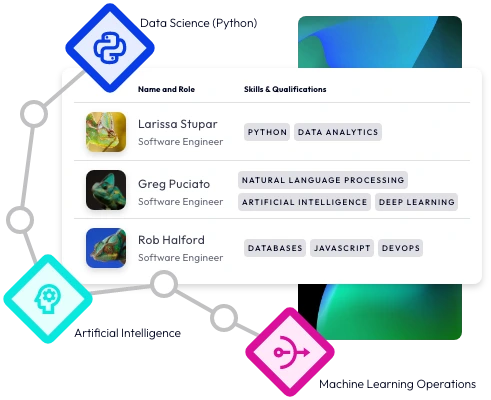
The meldR Engine drives an additional feature that sets this LXCP apart. Capable of instantaneously generating custom learning pathways based on the organization’s need, meldR functions as an automated academic advisor. The industry-specific curricula meldR Engine develops align with each student’s skill level and training goals, eliminating the guesswork that often determines a student’s course of training. Unlike the familiar recommendation engines that base suggestions on the behavior of past users, meldR Engine develops learning pathways tailored to each user’s baseline knowledge and desired outcomes that meet an organization’s needs. 

meldR’s LXCP technology hastens the pace of employee training, empowering users at all levels in the healthcare and life sciences industries with the skills they must have to remain competitive—both individually and organizationally—in an increasingly data-driven climate. In addition, meldR offers a range of features to meet the needs of employees in a variety of roles by:

  • Providing metrics to help L&D supervisors track progress and keep managers informed of skill sets available within the organization.
  • Enabling completion of tasks within one environment.
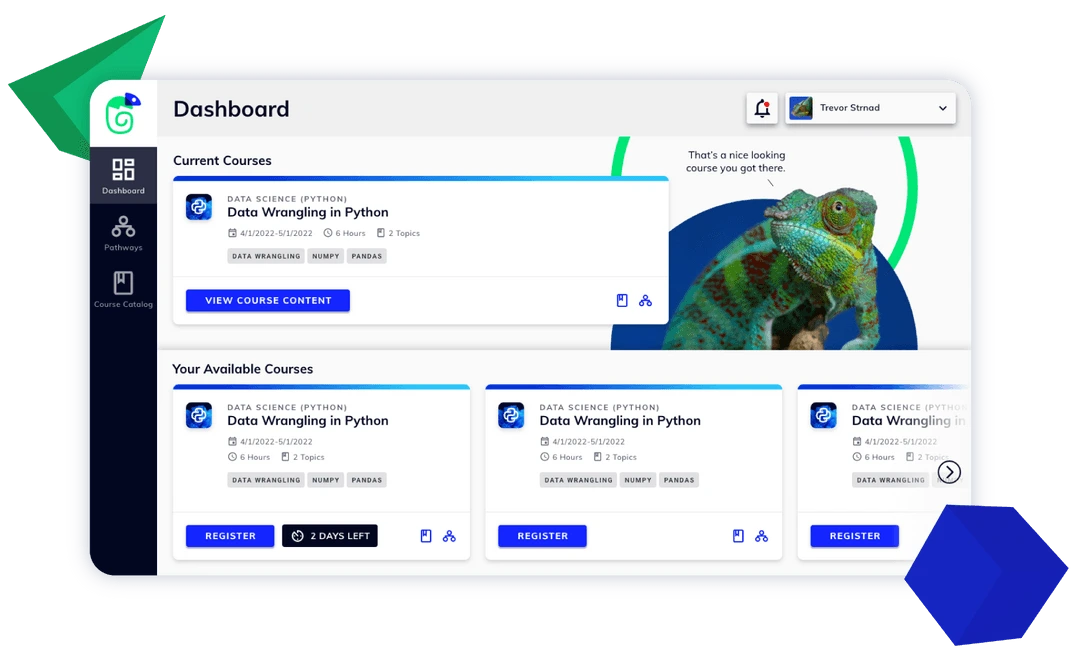
  • Offering an informative and current dashboard view of training activities and progress.
  • Creating a common vocabulary across the organization, facilitates the communication and collaboration that nurtures a data-driven culture. 
  • Serves as a resource that helps technical employees maintain current knowledge and skills.
  • Helping learners stay on top of their coursework with such tools as an assignment calendar.
  • Fostering a supportive community through options for mentorships, events, and meetings with instructors and teaching assistants.
The LXCP Difference: A Platform for Today's Workplace Learners

LXCP vs LMS vx LXP

Technological advances continuously redefine our interactions with digital media, and our expectations for virtual experiences are forever altered. Today’s consumers have become more reliant upon—and require much more from—online resources. Applications that successfully deliver experiences of remote connections that can provide the irreplaceable benefits of interpersonal interaction and community have shaped our collective awareness and changed our perceptions of what constitutes a good digital encounter. Consequently, legacy technologies that fall short of facilitating human-to-human contact and fail to respond immediately to individual needs no longer meet today’s users’ standards. Learning platforms are no exception.

While LMS and LXP systems served their purpose for yesterday’s learners—delivering educational materials and instruction online on a host of subjects—user expectations have evolved beyond the capacity of these older tools to satisfy them. The missing component that the LXCP platform introduces into the digital learning ecosystem is the “C,” which stands for communication, collaboration, and community. With the addition of these vital human touches, meldR LXCP supports superior learning outcomes in several ways. meldR offers instructor-led courses rather than self-paced learning, creating a collaborative educational setting that is demonstrably more effective in helping learners absorb and retain information. Enabling users to form communities of practice and mentorship relationships, meldR offers students the benefits of mutual support and guidance in settings where they will be most comfortable seeking help. For L&D departments, meldR facilitates talent success development and offers badging, certification, and metrics to help learners and managers track and recognize student progress. Also of importance, and in contrast to other recently developed platforms that offer communication components, meldR integrates these features into a seamless, end-to-end experience that requires no toggling between multiple screens.  

The missing component that the LXCP platform introduces into the digital learning ecosystem is the “C,” which stands for communication, collaboration, and community.

The technology that drives this unique learning platform is meldR Engine. Unlike recommender engines that employ ML to generate suggestions based on other users’ historical behaviors, meldR Engine is an AI-based technology that customizes all phases of the educational process for each student, tailoring learning pathways to the unique needs, existing skills, and goals of individual learners and enabling them to create on-demand learning pathways in mere minutes. The result is a rapid turnaround time between a learner’s input of personal preferences and requirements and the return of a feature-rich, personalized learning journey.

It is no revelation that the pandemic ushered in a new era of remote work and virtual connection. Many workers who struggled beside their colleagues and supervisors to adapt succeeded so well that they now prefer to operate largely in the virtual realm. Yet, the value of community, communication, and collaboration as drivers of personal growth and collective success endures. Today’s workers seek a measure of autonomy regarding working schedules and functions and a sense of belonging, common purpose, and shared experience within the workplace. Likewise, healthcare and life sciences organizations seek appropriately skilled employees who are genuinely engaged in their work and with their colleagues. Introducing communication, community, and collaboration into the universe of learning platforms, meldR is designed to serve the needs of workers and employers alike in an ever-changing world.   
The Importance of Communities of Practice in Upskilling

meldR: Healthcare’s Corporate Data Science Training Platform

A Social Learning LXCP (Learning Experience Communications Platform) built for today’s Healthcare L&D department’s growing demands for upskilling its employees with Data Science training. Our social learning platform, meldR, goes beyond an LMS or LXP. We created an atmosphere where both the learner and supervisor will have a full view of the entire learning ecosystem.

Providing:

  •   Technology Transformation
  •   Community of Practice 
  •   Talent Success Development

Don’t wanna miss any Data Society Resources?

Stay informed with Data Society Resources—get the latest news, blogs, press releases, thought leadership, and case studies delivered straight to your inbox.

Data: Resources

Get the latest updates on AI, data science, and our industry insights. From expert press releases, Blogs, News & Thought leadership. Find everything in one place.

View All Resources
  • The Setup: A Leadership Event Doing Exactly What It Should

    May 26, 2026

    Read more

  • Live AI Training for Leadership Events: Turn Alignment Into Action

    May 21, 2026

    Read more