AI, Humanity, and the Quiet Rewriting of the Employee Experience
Something subtle but profound is happening inside organizations right now. The conversation about AI is no longer theoretical: it’s here, and your team is using it whether you know about it or not. We’re not talking about potential implications or possible risks; we’re tackling real issues and mitigating actual risks that are shaping hiring, influencing workflows, and quietly redefining what it means to work, lead, and belong in a modern workforce.
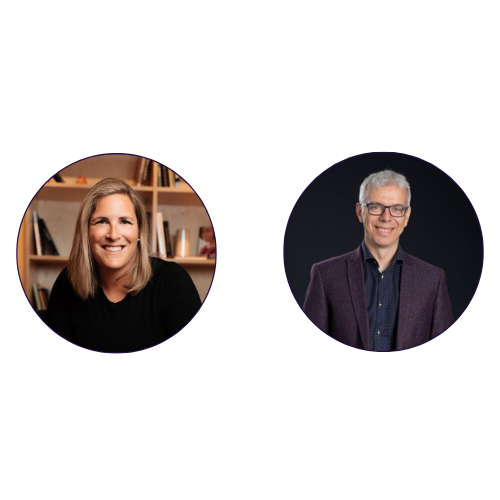
For Catie Maillard, Global VP of People at Data Society Group, the shift is clear and deeply human. “AI is already influencing both how employees experience the company and how HR teams support that experience in meaningful ways.”
Recruiting is often where people feel the impact first. AI sourcing tools allow recruiters to reach more possible candidates, but increase candidate volume. Increasing candidate volume means Recruiters will need additional screening tools to be able to review a greater volume of resumes. And AI interview tools are appearing to help Recruiters manage the multitude of initial screens. These tools all help create efficiencies, but at what cost?
Catie reflects thoughtfully on that balance. “Some tools have helped with speed, others with quality, but in certain cases we have absolutely lost valuable human touchpoints along the way.”
Hiring, at its best, should be relational. It should be a mutual interview process that allows both parties to ensure their values and needs are aligned. It feels like humans choosing one another. As AI accelerates the process, often removing touchpoints with other humans, many people are pushing to keep that connection in place rather than replace it.
Work Is Becoming More Collaborative, and That Changes Everything
As AI reduces repetitive, individual workloads, a new kind of work is emerging. Employees are able to pick their heads up from deep individual work and collaborate more. Conversations are becoming richer. Strategy and problem-solving are increasingly collective efforts.
The employee experience is moving from “my work” to “our contribution.”
That creates an incredible opportunity. It also requires care. Collaboration thrives only in environments where people feel included, safe, and supported.
Catie puts it simply: “As we shift toward more collaborative work, communication, relationship building, and problem-solving skills become even more critical. It also means we have more responsibility to strengthen team health and ensure psychological safety so employees feel empowered to collaborate.”
Technology may be advancing quickly. Now, organizational culture has to keep pace.
AI, Bias, and the Realities HR Leaders Must Face Thoughtfully

There is also a more nuanced challenge unfolding alongside innovation.
For years, Companies have aspired to achieve a merit-based culture. The goal has been equity; opportunity rooted in capability.
But history shows biases play heavily in influencing outcomes, and the history of employment in the US is littered with examples. The issue here is that this biased information is being fed into our AI tools. It learns from that information. It reflects it.
Catie approaches this with pragmatism. “There is a real risk that AI tools can unintentionally reinforce existing biases if organizations are not intentional about what data is fed into these tools and how they use them.”
This is not an argument against AI. This is a reminder that technology must be guided, not blindly trusted.
She frames AI as a tool that should support thoughtful leadership, not replace it. “I feel comfortable using AI to help analyze and organize information. I even use AI to create when needed. I just do not believe it should be the primary decision maker for people-related outcomes.”
People deserve context. They deserve to be seen fully. They deserve more than automation can offer.
Must Read: Where AI Will Really Reshape Revenue in 2026
The Quiet Fear Beneath the Surface
There is also an emotional reality many employees feel but rarely say aloud.
People are worried.
They watch tools advance rapidly. They adapt. They learn. They participate in innovation. Yet a quiet question lingers for many: What happens to me as this continues to evolve?
Catie approaches that concern realistically and empathetically. “It is understandable that people feel uncertain about how AI may impact their roles over time. The truth is, we’re not quite sure either, though we do know it will change how we work and we’re all figuring this out together.”
This moment requires transparency and care. Leaders cannot simply introduce technology or adoption mandates and expect them to be achieved. They must acknowledge uncertainty and help people navigate it thoughtfully.
Trust remains fundamentally human.
The Leader of the Future Will Be a Change Leader
Leadership is transforming alongside the workplace.
The future will not be defined solely by policy or compliance. It will require strategic thinkers who can hold space for technology, people, culture, and systems simultaneously.
Catie calls it what it is: “Managing change is going to be one of the most important skills in leadership, along with data literacy, empathy for different stakeholders, and thoughtful governance.”
Leadership is now less about enforcing structure and more about guiding transformation with steadiness, clarity, and care.
The Workforce Is Changing Too, and Adaptability Will Matter More Than Ever
As we continue to experience “unprecedented times”, organizations increasingly need people who can flex their skills to meet these changing market needs. Who can shift. Who can learn quickly and move where they are needed most.
Generalists with broad skill sets are emerging as essential.
“Organizations that have people with broader skill sets tend to adapt more quickly, which will be incredibly valuable moving forward.”
Fractional work continues to grow, reflecting both opportunity and changing expectations of work. People are redefining what sustainable careers look like. Companies are rethinking how expertise is deployed.
The workforce is not only evolving. It is redefining resilience.
The Most Powerful Disruption Ahead May Come From People
When looking ahead, Catie believes one of the most significant forces for change will come from the workforce itself. “Meaningful workplace change has often only occurred in the US because employees advocated and fought for it, and that may continue to be true.”
Conversations about work hours, flexibility, compensation fairness, and well-being are becoming more intentional. This is not just about technology. The concept of work is evolving, and part of that evolution is what employees expect from the workplace. As HR leaders, our role is often to help everyone navigate these conversations thoughtfully, and we expect the frequency and intensity of conversations about the social contract of work to only increase.
Belonging, Burnout, and Why Teams Will Matter More Than Ever
Belonging matters more than ever. People are navigating uncertainty. Many feel isolated, a lasting impact of the pandemic. Workplace collaboration is increasing, but so is emotional strain.
Teams are becoming anchors.
“There is a growing shift toward focusing on team health and performance because strong teams are more resilient.”
Psychological safety, trust, connection, and shared stability are no longer simply buzzwords or cultural objectives. They are strategic foundations.
Organizations that begin building them intentionally now will be far better equipped for what comes next. Not just in 2026, but certainly in the years beyond.
Technology will continue advancing. AI will keep maturing. Work will keep changing.
But humans will still need to feel valued. They will still need to feel secure. They will still need to feel a sense of belonging and community.
And the organizations that remember that will not only adapt but also endure.
FAQ: Redefining Work in 2026 with AI, People, and Culture
AI sourcing and screening tools are expanding candidate reach and speeding up processes, but they can also reduce meaningful human interaction. The best hiring experiences still feel relational, mutual, and human, not fully automated.