Data Society’s Catie Maillard is genuinely in favor of AI agents in HR, and the discrimination lawsuits now working through the courts are part of why. Her position is narrower than “avoid AI in hiring,” and harder to argue with: agents can screen, schedule, and follow up, but a human has to trigger the action, spot-check the output, and own every rejection. The lawsuits landing on Workday’s desk right now are, almost too neatly, about exactly the line she draws.
Maillard didn’t hedge on this one.
“So around agents, particularly in the HR world, I totally agree with agents in HR. I think there’s a lot of admin work or repetitive tasks that often means I spend more of my time reviewing resumes or sending emails than taking the time to think through what we need in a role or how we can find it. So I am for agents in the HR world because of how administrative a lot of our work is.”
Catie Maillard, Global VP of People, Data Society
The volume problem she’s describing is not exaggerated. The average job opening now draws around 244 applications, more than double the number from 2022, and LinkedIn processes roughly 11,000 applications a minute, up 45% year over year. Around 74% of job seekers now use AI to help apply, and nearly half say they’re submitting more applications than they did a year ago. Recruiters facing that volume with manual review alone are choosing between AI-assisted screening and simply not getting to most applications at all.
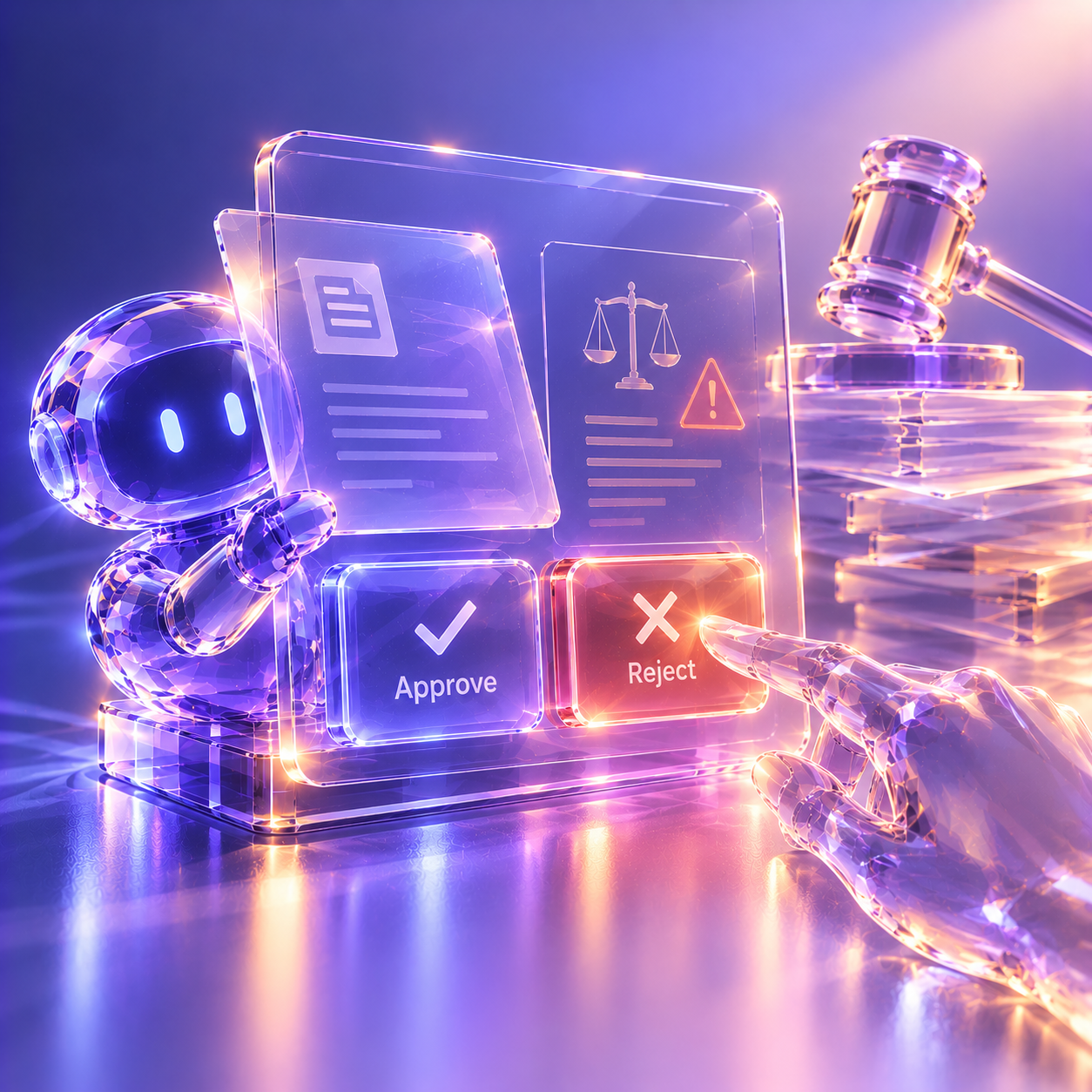
Being for agents in HR isn’t the same as being for autonomous ones, and Maillard drew that distinction immediately.
“Now, those agents need to be really well informed by the HR person. I’ll give you an example of an agent that can work in recruiting, that can work on scheduling, that can send the follow-up, and a lot of this is automated once I trigger it. So it still requires a human trigger to make sure that we’re not rejecting people without eyes being laid on them, that we put the right status in.
There’s still a human status that triggers these agents a lot of these times. And also just creating regular audit and review processes. If I’m having AI help me review resumes, which we often need to do simply because the volume is so high right now, I still require human spot checks.
We need to have a certain percentage that we at least also review ourselves to make sure it’s aligning with the review that AI does. And along that review, I’m not having our AI tools reject resumes. It’s putting a spreadsheet together for me that checks off who has what qualifications, and we can spot check it from there. I need to make sure that my team can still stand by our decisions. I don’t want to ever have a case that you’re often seeing coming out more and more where HR folks were like, ‘I didn’t even know that was happening.’ Someone’s rejected, I need to know that they were rejected and why.”
Catie Maillard, Global VP of People, Data Society
Notice what the AI is and isn’t allowed to do in her setup. It screens, ranks, and organizes. It does not reject. The output is a spreadsheet a person reviews, not a decision a person finds out about after the fact.
The scenario Maillard says she’s built her process to avoid, an HR team unable to say why someone was rejected, is the exact fact pattern behind two live cases.
Derek Mobley applied to more than 100 positions through Workday’s platform and wasn’t hired for any of them, with rejections in some cases arriving within minutes of applying, fast enough that a human reviewer plausibly never saw the application. His lawsuit alleges Workday’s screening tools discriminated based on race, disability, and age. In 2024, a federal court in California let the case move forward on a theory worth sitting with: it’s plausible, the court found, that Workday’s customers “delegated their traditional functions of rejecting and advancing candidates to Workday” itself, meaning the software wasn’t just assisting a hiring decision, it was functioning as the employer’s agent making one. The case is still in discovery, but the ruling alone put every company using third-party AI screening on notice that outsourcing the decision doesn’t outsource the liability.
iTutorGroup didn’t need years of litigation to find out the same thing. The company’s hiring software was programmed to automatically reject female applicants 55 and older and male applicants 60 and older, filtering out more than 200 qualified candidates before a person ever reviewed them. The EEOC settled the case, one of its first AI-discrimination actions, for $365,000, plus five years of monitoring and mandatory retraining.
Both cases share the feature Maillard is explicitly building around: nobody with a name on the process was watching the reject button.
If an AI agent touches any part of your hiring pipeline, check who actually clicks reject, and whether your team could explain any single rejection if asked. Data Society’s AI Advisory work helps HR and Talent teams build that accountability in before a regulator asks first, and AI upskilling programs train recruiters on where the human checkpoint has to sit.